Equivalency Certificate vs Degree Attestation What’s the Difference?
Many people get confused between equivalency and attestation, especially when planning to work or study abroad. While both are related to educational documents, they serve very different purposes.
Attestation - Proof of Authenticity
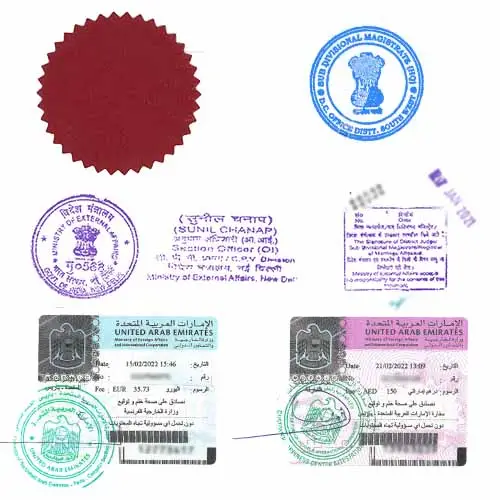
Attestation confirms that your degree or certificate is genuine.
It verifies:
The document was issued by a recognized institution
The signatures and seals are authentic
The degree is legally valid
Attestation is usually done by universities, embassies, and the Ministry of Foreign Affairs (MOFA).
In simple words: Attestation proves your certificate is real.
Equivalency – Proof of Recognition
Equivalency checks whether your degree is equal to the local education standard of another country.
It determines:
What level your degree matches (Bachelor’s, Master’s, etc.)
Whether it meets national education requirements
If you’re eligible for jobs, licensing, or higher studies
Equivalency is issued by a country’s education authority or ministry.
In simple words: Equivalency proves your degree is accepted and recognized.